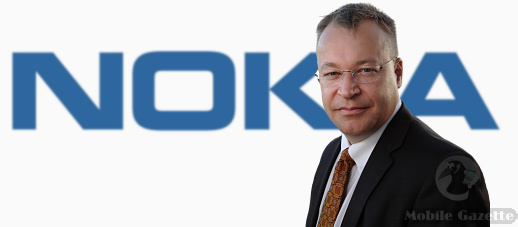
Yesterday Microsoft, the new owner of the Nokia handset business, wielded the axe of their newly acquired unit cutting around 40% of the staff and all their product lines except for the Lumia smartphones [1] [2] [3].
Although most industry observers suspected that something like this would eventually be on the cards, the speed at which this has taken place is surprising.
But let's just think about what has happened. It doesn't just mean that the Nokia X range of Android phones will be canned (including the X2 announced a few weeks ago), but there are also reports that this extends to the entire product line including the very popular Asha devices, venerable Series 40 feature phones and even the billion-selling Series 30 dumbphones.
That's everything that Nokia was ever built on. Sure, we won't miss the Nokia X platform, but probably almost everyone who has owned a phone will have owned a Series 30 or Series 40 Nokia at some point.. and will probably remember it fondly.
This joins the graveyard of Nokia operating systems - one of Stephen Elop's first actions as CEO of Nokia was to kill off the Symbian and MeeGo operating systems. Back in the distant past there was also the Series 90 touchscreen OS. Nokia even flirted with Linux-based devices before canning those. The list goes on.
So Nokia is just about Lumia now? Well, yes and no.. because it is reported that Microsoft can only use the NOKIA name until the end of 2015, at which point presumably they will be branded LUMIA instead. So is this the end of Nokia?
It seems that Nokia are barred from producing mobile devices until the end of 2015, and after that they are restricted from making smartphones for several more years.. but we don't know exactly how the agreement defines a smartphone (for example, we count the Asha range as feature phones, not smartphones). So it doesn't look great from that point of view.
However, with the handset business gone Nokia can act much more like a startup and think out-of-the-box. I strongly suspect that Nokia will re-enter the mobile device market in some form as soon as it can, after all there is still a large amount of brand loyalty and Nokia can be the masters of design and usability. So perhaps we haven't seen the last of Nokia.. but it seems that we have seen the last of Nokia's awesome legacy in the mobile phone world.
Showing posts with label Microsoft. Show all posts
Friday, July 18, 2014
Tuesday, September 3, 2013
Nokia, Microsoft, Elop and the future
For a long while now there have been rumours that Microsoft might be interested in buying some or all of Nokia, and now those rumours have come true with the agreed €5.44bn acquisition of Nokia's mobile phone business.
The forthcoming purchase vindicates analysts and commentators such as Eldar Murtazin who have been saying categorically that the acquisition was on the cards despite flat denials from Microsoft and Nokia.
It also adds weight to the conspiracy theory that CEO Stephen Elop was a Microsoft plant all along (having previously been a senior executive at Microsoft). Elop's choice of Windows for as its primary smartphone platform has always been controversial.. but in our opinion is was a carefully considered long-term choice but with a higher risk/reward factor than backing Android. In our view, ditching the Symbian platform was a mistake which led to a catastrophic drop in sales, but Symbian would not fit in well with Microsoft and that is all in the past now.
Elop will now move from his CEO role to being the Vice President, Devices & Services along with a number of other key personnel. Elop and that team will most likely be transferring back to Microsoft, along with 32,000 other Nokia employees. In the meantime Risto Siilasmaa will take over as interim CEO.
Oddly, the $5.44bn ($7.4bn) acquisition is substantially less than the $12.5bn that Google paid for Motorola. But the difference here is that Microsoft is not buying the patents from Nokia, but is licensing them for 10 years and Google bought Motorola along with all of its substantial intellectual property portfolio.
Microsoft will continue to make phones based on Windows, and the Series 40 and Series 30 operating systems (including the Asha range), and is licensed to use the Nokia brand for the next 10 years. Nokia will retain the intellectual property and patents along with the profitable NSN business, the HERE Maps and Navigation business and will continue to develop products based on its IP porfolio. However, Nokia will not be able to use its own brand on any mobile device product until 2016.
Pre-market trading in Nokia shares has boosted them by 40% or so, a clear indication that shareholders are pleased with this new arrangement.. although the current $5.43 price is a fraction of the $39 or so that they were at the end of 2007. Microsoft shares dipped slightly by 2% on the news.
This purchase marks the end of an era in the mobile phone business. Now the mobile phone businesses of Nokia, Motorola, Samsung, Sony, LG and of course Apple are all parts of much larger business empires. Out of the big mobile players only HTC and BlackBerry remain independent.. and BlackBerry looks like it too wants to sell its mobile phone business. There are plenty of smaller players too, and upcoming companies such as Xiaomi may use their greater business agility to maintain and grow market niches against these industrial behemoths.
It won't all be plain sailing for Microsoft. Microsoft's previous attempt at a handset range with the Microsoft KIN was an utter disaster, although Windows Phone 8 is gaining some market traction with consumers and certainly the ultra-modern interface is influencing rival software platforms.
Given that Steve Ballmer is stepping down as CEO of Microsoft, Stephen Elop's forthcoming transition to a Microsoft employee again is interesting. We don't think that the move will lead to Elop becoming Microsoft's CEO though as he still has a lot to prove with the Nokia handset division. But if this purchase is a success.. and that's a big if then perhaps Elop will get the top job the next time around.
The forthcoming purchase vindicates analysts and commentators such as Eldar Murtazin who have been saying categorically that the acquisition was on the cards despite flat denials from Microsoft and Nokia.
It also adds weight to the conspiracy theory that CEO Stephen Elop was a Microsoft plant all along (having previously been a senior executive at Microsoft). Elop's choice of Windows for as its primary smartphone platform has always been controversial.. but in our opinion is was a carefully considered long-term choice but with a higher risk/reward factor than backing Android. In our view, ditching the Symbian platform was a mistake which led to a catastrophic drop in sales, but Symbian would not fit in well with Microsoft and that is all in the past now.
Elop will now move from his CEO role to being the Vice President, Devices & Services along with a number of other key personnel. Elop and that team will most likely be transferring back to Microsoft, along with 32,000 other Nokia employees. In the meantime Risto Siilasmaa will take over as interim CEO.
Oddly, the $5.44bn ($7.4bn) acquisition is substantially less than the $12.5bn that Google paid for Motorola. But the difference here is that Microsoft is not buying the patents from Nokia, but is licensing them for 10 years and Google bought Motorola along with all of its substantial intellectual property portfolio.
Microsoft will continue to make phones based on Windows, and the Series 40 and Series 30 operating systems (including the Asha range), and is licensed to use the Nokia brand for the next 10 years. Nokia will retain the intellectual property and patents along with the profitable NSN business, the HERE Maps and Navigation business and will continue to develop products based on its IP porfolio. However, Nokia will not be able to use its own brand on any mobile device product until 2016.
Pre-market trading in Nokia shares has boosted them by 40% or so, a clear indication that shareholders are pleased with this new arrangement.. although the current $5.43 price is a fraction of the $39 or so that they were at the end of 2007. Microsoft shares dipped slightly by 2% on the news.
This purchase marks the end of an era in the mobile phone business. Now the mobile phone businesses of Nokia, Motorola, Samsung, Sony, LG and of course Apple are all parts of much larger business empires. Out of the big mobile players only HTC and BlackBerry remain independent.. and BlackBerry looks like it too wants to sell its mobile phone business. There are plenty of smaller players too, and upcoming companies such as Xiaomi may use their greater business agility to maintain and grow market niches against these industrial behemoths.
It won't all be plain sailing for Microsoft. Microsoft's previous attempt at a handset range with the Microsoft KIN was an utter disaster, although Windows Phone 8 is gaining some market traction with consumers and certainly the ultra-modern interface is influencing rival software platforms.
Given that Steve Ballmer is stepping down as CEO of Microsoft, Stephen Elop's forthcoming transition to a Microsoft employee again is interesting. We don't think that the move will lead to Elop becoming Microsoft's CEO though as he still has a lot to prove with the Nokia handset division. But if this purchase is a success.. and that's a big if then perhaps Elop will get the top job the next time around.
Subscribe to:
Posts (Atom)